Quick Answer: Before buying from a Plywood wholesaler or Pinewood wholesaler, check the material grading, moisture resistance, certification, and consistency across the batch. Ask for sample sheets, confirm pricing per sheet or cubic foot, and clarify delivery timelines before placing a bulk order, since quality can vary significantly between suppliers even at similar price points.
Buying wood in bulk is a very different decision from picking up a single sheet at a local shop. Whether you’re a furniture maker, contractor, or business owner sourcing material for a project, a wrong choice at the wholesale stage can affect an entire batch of finished work. This guide covers exactly what to check before committing to a plywood or pinewood supplier in India, so you can buy with confidence instead of guesswork.
Plywood vs Pinewood: What’s the Real Difference?
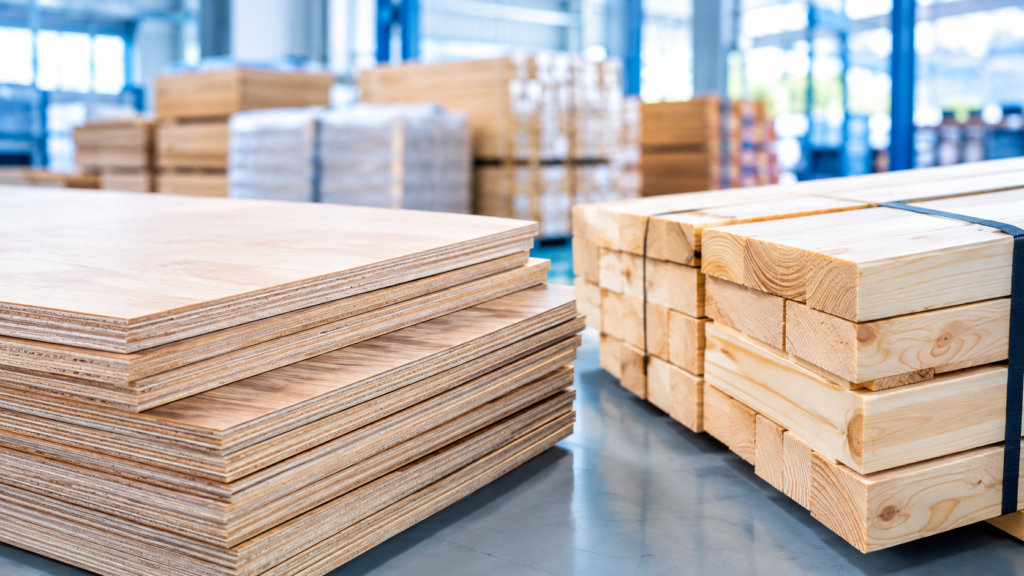
Plywood is made by bonding thin layers of wood veneer together under pressure, which gives it strength and resistance to warping. Pinewood, on the other hand, is a solid softwood timber, valued for its natural grain and work-ability but generally more prone to expansion and contraction with humidity. Knowing which one fits your project is the first step before evaluating any supplier.
| Factor | Plywood | Pinewood |
| Structure | Layered veneer sheets bonded together | Solid natural softwood timber |
| Common Use | Furniture, cabinets, flooring base | Furniture frames, panelling, crates |
| Moisture Resistance | Varies by grade (MR, BWR, BWP) | Lower; needs proper treatment and sealing |
| Strength & Stability | High, resists warping across layers | Good, but more prone to natural warping |
| Typical Buyers | Furniture makers, interior contractors | Carpenters, exporters, packaging units |
Why Grading Matters When Buying Plywood
Plywood is typically graded by its bonding and moisture resistance — common categories include MR (moisture resistant), BWR (boil water resistant), and BWP (boiling water proof). Choosing the wrong grade for your application, such as using MR grade in a high-moisture area, can lead to early delamination and wasted material.
What to Check Before Choosing a Wholesale Supplier
- Consistency of thickness and quality across the entire batch, not just sample pieces
- Clear grading and certification details, rather than vague quality claims
- Transparent pricing per sheet or cubic foot, with no hidden charges
- Realistic delivery timelines for bulk orders
- A proper invoice and documentation for business and warranty purposes
How to Evaluate a Plywood or Pinewood Wholesaler: Step-by-Step
- Request sample sheets before committing to a bulk order.
- Check the sample for an even surface, consistent thickness, and no visible core gaps.
- Ask directly about the grading standard and moisture resistance level.
- Compare pricing across a few suppliers for the same grade and thickness.
- Confirm delivery timelines and how batch consistency is maintained for large orders.
- Ask about return or replacement policy in case of damaged or defective stock.
Benefits of Choosing the Right Wholesale Supplier
- Consistent material quality across your entire project or batch
- Fewer delays caused by inconsistent stock or grading mismatches
- Better long-term durability of finished furniture or structures
- More predictable costs with transparent, upfront pricing
Conclusion
Choosing the right plywood or pinewood wholesaler comes down to checking grading, consistency, and transparency, rather than relying on price alone. Taking the time to request samples and ask the right questions upfront can save significant cost and rework later. For businesses across India sourcing wood in bulk, a little diligence at the buying stage goes a long way toward a reliable, lasting result.
Frequently Asked Questions
- What’s the difference between MR and BWP grade plywood?
MR (moisture resistant) grade suits general indoor use, while BWP (boiling waterproof) grade offers much higher moisture resistance, suited to kitchens, bathrooms, or humid environments.
- How can I check plywood quality before a bulk purchase?
Request sample sheets and check for an even surface, consistent thickness, and no visible gaps between the layers before placing a larger order.
- Is pinewood a good choice for furniture in humid climates?
Pinewood can work well with proper sealing and treatment, but it’s naturally more prone to expansion in high-humidity conditions compared to certain plywood grades.
- Should I always choose the cheapest plywood wholesaler?
Not necessarily. Lower pricing sometimes reflects inconsistent grading or quality, so it’s worth comparing grade and certification alongside price.
- How is bulk plywood or pinewood typically priced?
Pricing is usually quoted per sheet for plywood or per cubic foot for timber, and can vary based on grade, thickness, and order volume.
- What documentation should I ask for when buying wholesale?
Ask for a proper invoice detailing grade, quantity, and pricing, which helps with both business records and any future warranty or replacement claims.