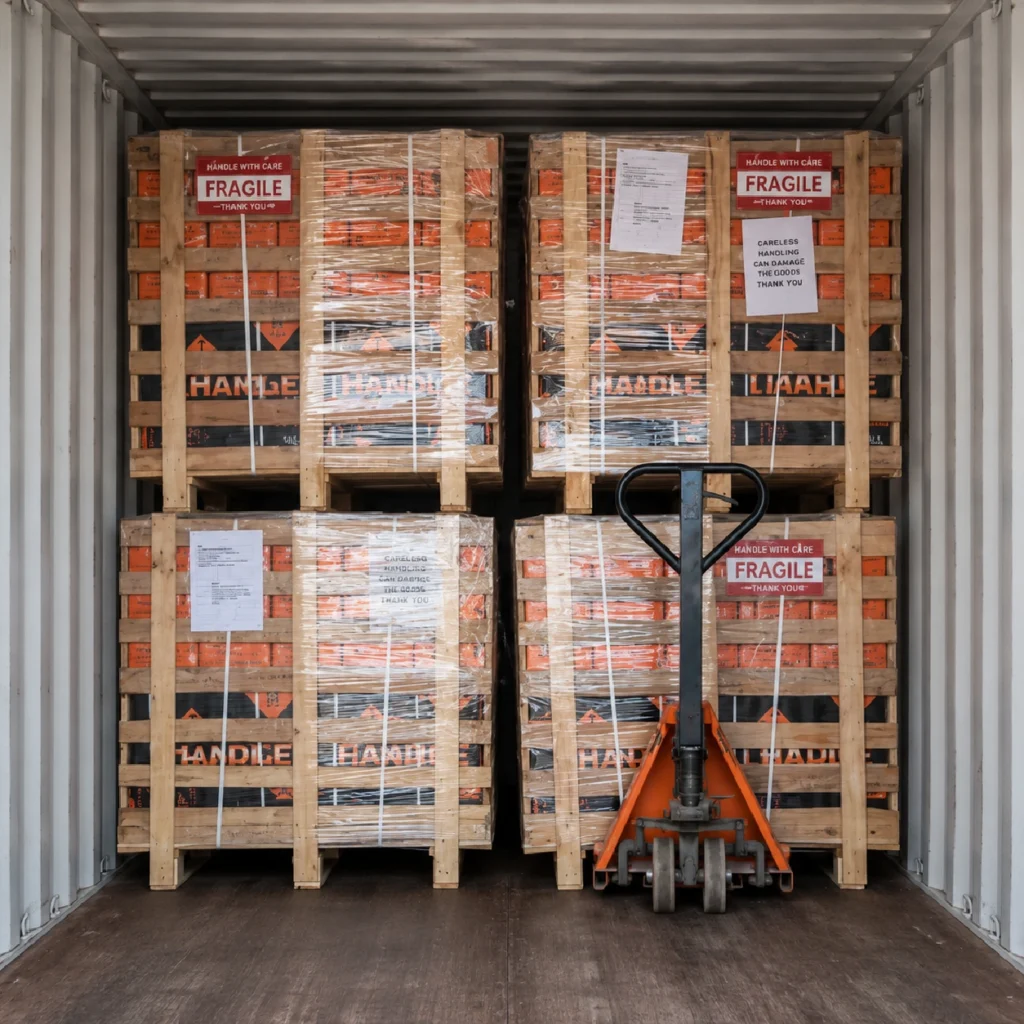
Quick Answer: ISPM 15 compliant wooden packaging refers to solid-wood pallets, crates, boxes, and other packaging that has been treated to reduce the risk of spreading pests through international trade. Heat treatment and proper IPPC marking are important parts of compliant export packaging. Using suitable treated wooden packaging can help exporters meet destination-country requirements and reduce the risk of shipping delays.
When products are transported internationally, packaging plays an important role in protecting goods during handling, storage, and transportation. Wooden pallets, crates, and boxes are widely used because they provide strength and durability. However, untreated solid wood can carry pests that may spread between countries.
This is why ISPM 15 compliant wooden packaging is important for businesses involved in international trade. Understanding the requirements can help exporters choose the right packaging for their products and destination.
What Is ISPM 15?
ISPM 15 stands for International Standards for Phytosanitary Measures No. 15. It covers solid-wood packaging material used in international trade.
The standard applies to products such as:
- Wooden pallets
- Wooden crates
- Wooden boxes
- Dunnage
- Wooden skids
The purpose is to reduce the risk of pests being transported through untreated wood. Depending on the applicable requirements, wooden packaging may need to be treated and marked before being used for export.
Why Is ISPM 15 Important for Exporters?
International shipments may pass through several ports, warehouses, and customs checkpoints. Wooden packaging that does not meet the destination’s requirements can result in additional inspections, treatment, or delays.
Using properly treated and marked packaging helps exporters prepare their shipments according to applicable phytosanitary requirements.
Benefits
- International Compliance Helps meet applicable export packaging requirements
- Pest Risk Reduction Treatment reduces the risk of pests in wood
- Cargo Protection Strong packaging helps protect products
- Export Readiness Suitable for international transportation
- Custom Solutions Packaging can be designed for specific products
What Types of Wooden Packaging Are Used for Export?
Different products require different packaging solutions. The choice depends on product size, weight, handling requirements, and transportation method.
Wooden Pallets
Wooden pallets are commonly used for transporting and handling palletised goods. They allow products to be moved using forklifts and other material-handling equipment.
WUDPAC provides different pallet options, including CP pallets, Euro pallets, GMA pallets, and customised wooden pallets.
Wooden Crates and Boxes
Wooden crates provide strong protection for heavy, fragile, and industrial products. Wooden boxes can also be designed according to the dimensions and requirements of the cargo.
For machinery and high-value goods, customised crates and boxes can provide additional protection during transportation.
What Is Heat Treatment?
Heat Treatment (HT) is a method used to treat wooden packaging. The wood is heated to the required core temperature for the specified duration according to the applicable phytosanitary standard.
After treatment, compliant packaging can receive the appropriate IPPC mark, which provides information about the treatment and registered facility.
WUDPAC states that it provides in-house heat treatment and fumigation for wooden packaging used for export requirements.
How Do You Choose the Right Export Packaging?
The correct packaging depends on several factors:
- Product weight: Heavy products may require reinforced pallets or crates.
- Dimensions: Packaging should fit the product securely.
- Handling: Consider forklifts, cranes, and loading equipment.
- Transportation: Sea, road, rail, and air shipments may have different requirements.
- Destination: Check the applicable requirements of the destination country.
- Protection: Fragile or high-value products may require custom crates or boxes.
Providing accurate product dimensions and weight to the packaging manufacturer helps ensure the packaging is designed appropriately.
Why Choose Custom Wooden Packaging?
Standard packaging does not work for every product. Custom wooden packaging can be designed according to the product’s size, weight, handling method, and transportation requirements.
Custom solutions may include:
- Special pallet dimensions
- Reinforced wooden crates
- Custom wooden boxes
- Export packing
- Lashing and chocking
- Container stuffing
This can help businesses protect their products while making better use of available transportation and storage space.
Export Packaging Services
Wooden packaging is only one part of preparing goods for international transportation. Exporters may also need services such as **palletising, stuffing, lashing, chocking, casing, and customised packing.
WUDPAC provides export packing solutions along with wooden pallets, crates, boxes, and customised packaging for industrial and export requirements.
Conclusion
ISPM 15 compliant wooden packaging is an important consideration for businesses shipping products internationally. Properly treated pallets, crates, and boxes can help reduce pest risks and support compliance with applicable export requirements.
The right packaging depends on the product, weight, dimensions, transportation method, and destination. Whether you need standard pallets or customised wooden crates and boxes, choosing an experienced packaging manufacturer can help protect your cargo throughout the shipping process.
WUDPAC Industries provides wooden pallets, crates, boxes, customised packaging, heat treatment, fumigation, and export packing solutions for businesses handling domestic and international shipments.
Frequently Asked Questions
1. What does ISPM 15 mean?
ISPM 15 is an international phytosanitary standard for solid-wood packaging used in international trade.
2. Are wooden pallets required to be ISPM 15 compliant for export?
Requirements depend on the destination country and the type of shipment. Exporters should check the applicable regulations before shipping.
3. What does HT mean on wooden packaging?
HT means Heat Treatment. It indicates that the wood has undergone the required heat treatment process.
4. What is an IPPC mark?
The IPPC mark identifies treated wooden packaging and provides information about its treatment and registered facility.
5. Can wooden packaging be customised?
Yes. Wooden pallets, crates, and boxes can be customised according to product dimensions, weight, handling, and transportation requirements.
6. Does WUDPAC provide export packaging services?
Yes. WUDPAC provides wooden packaging and export packing solutions, including palletising, stuffing, lashing, chocking, casing, and customised packing.